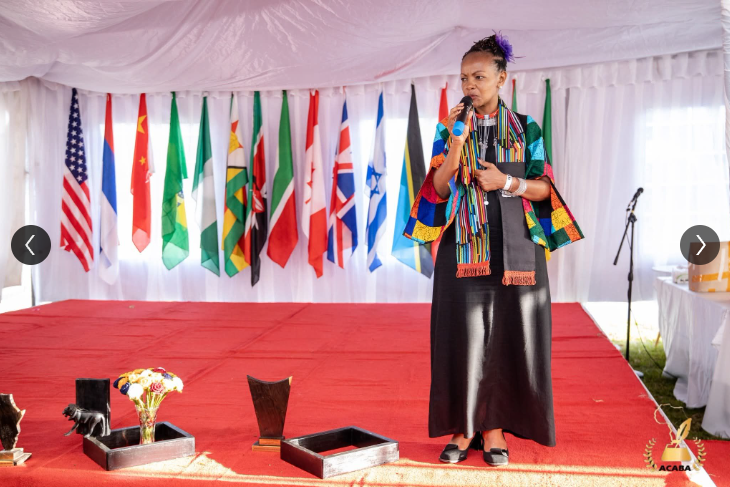
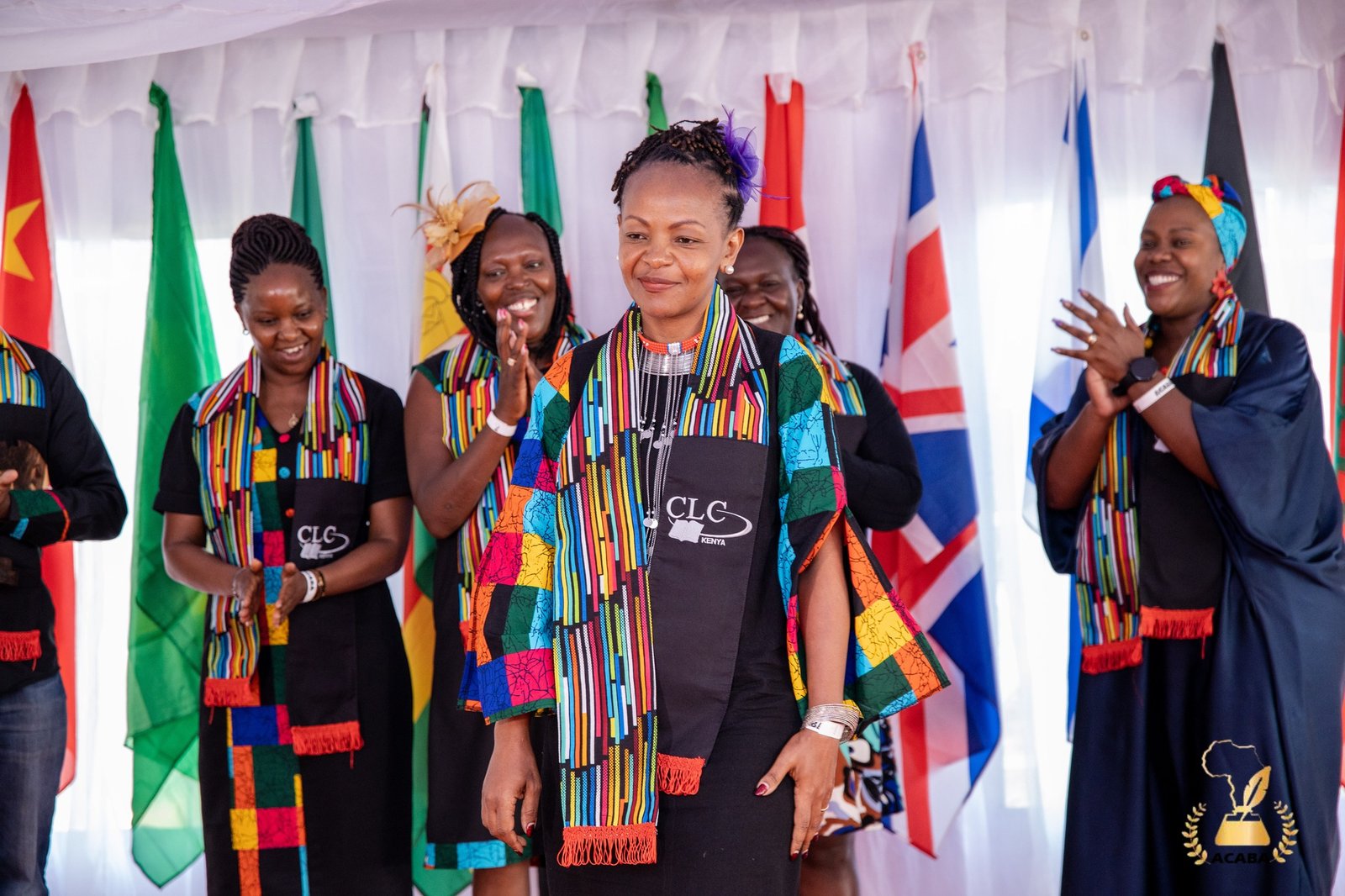
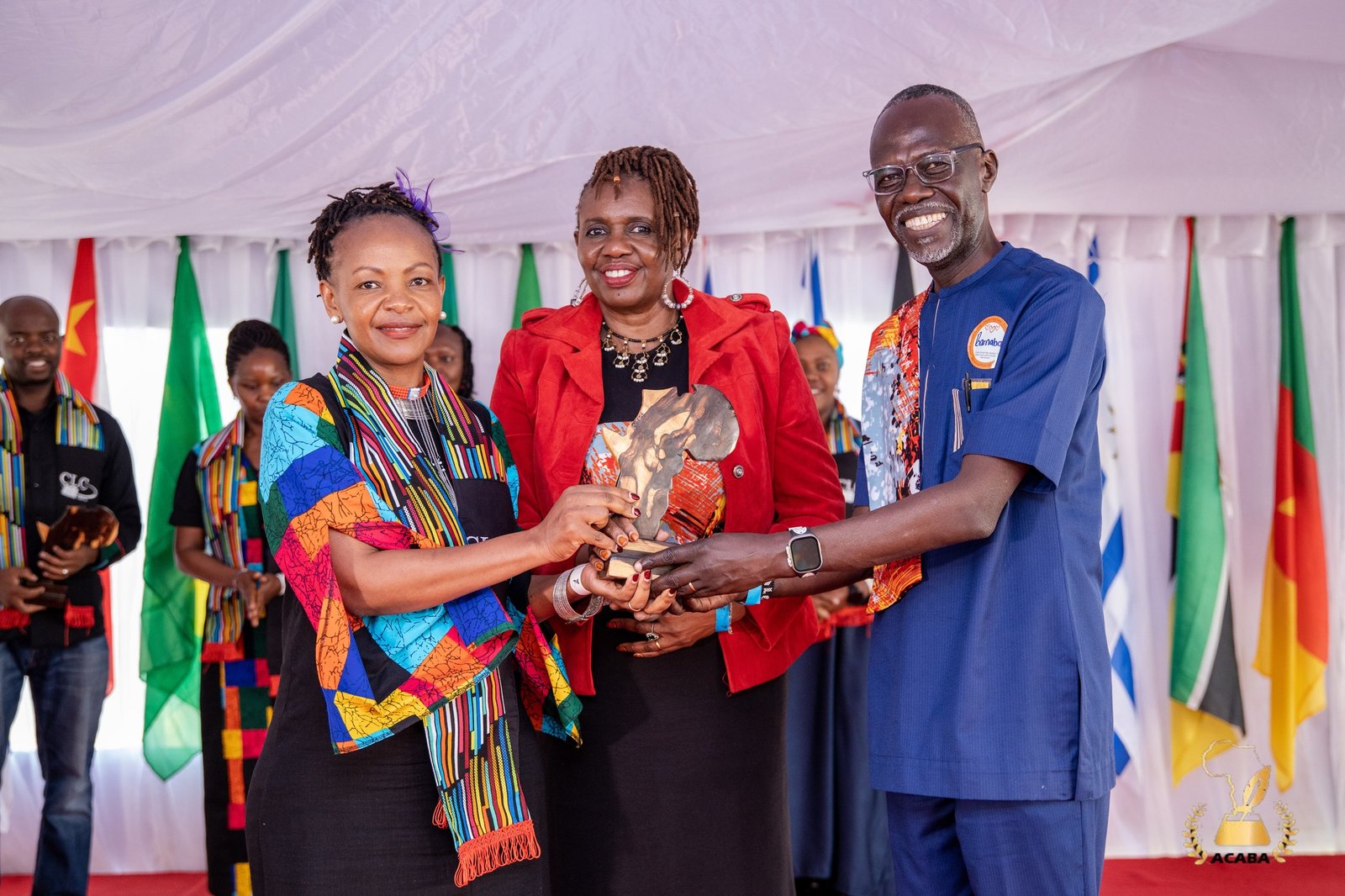
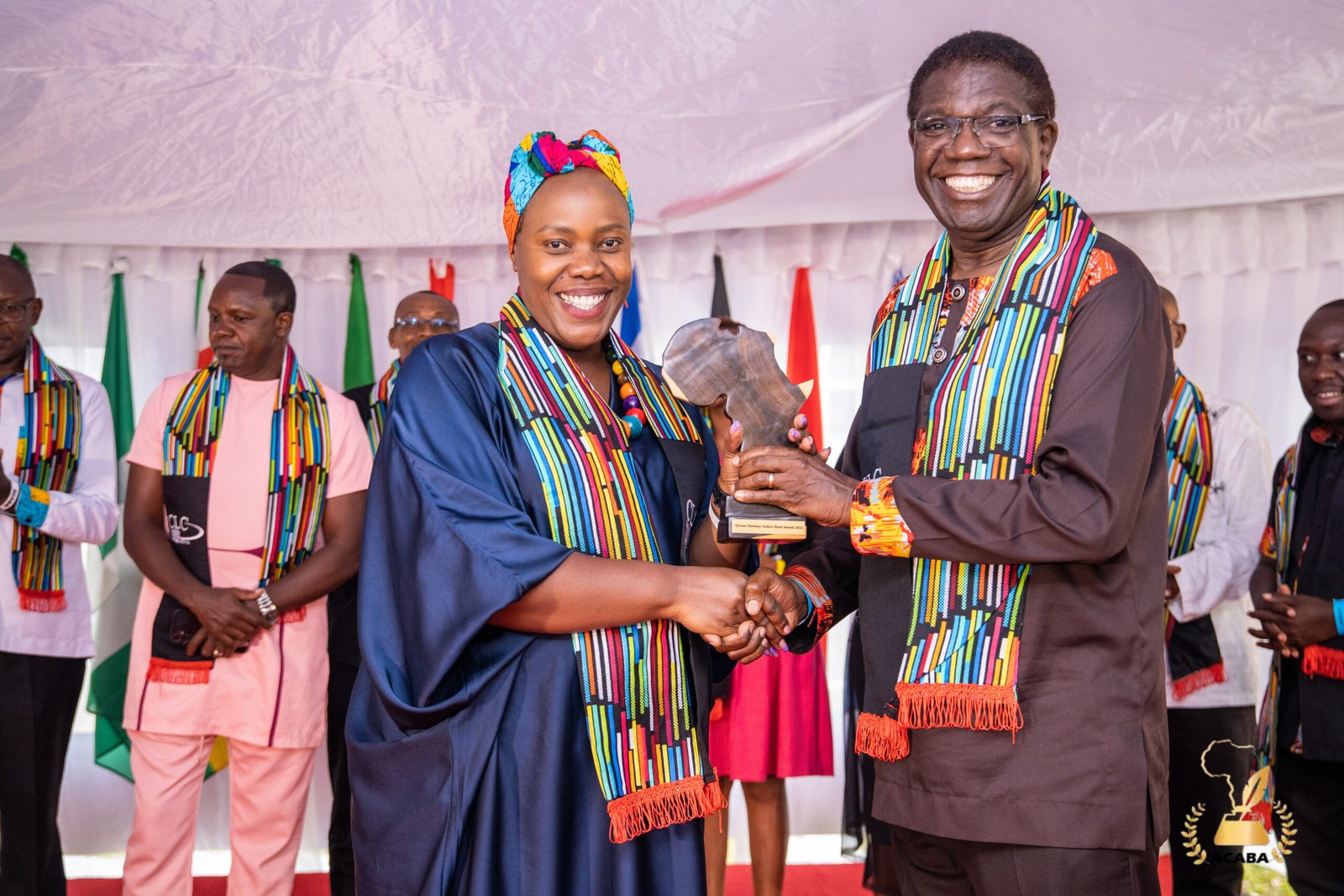
I asked Nancy Mwabili to describe the emotion going on in that moment when she was called as the ACABA awardee in the Family and Marriage category.
Her answer was not the usual, “I was happy and thankful.” No. This was the kind of moment where your name is called, your feet start moving, but your mind is still somewhere at the table asking, Excuse me, did they really say me?
In her words, “While I had been hopeful (I definitely like to win), the moment still caught me by surprise.” I laughed at that part because it is such an honest Christian sentence. Full of faith, but also very human. Yes, Lord, I trust You… but also, oh my, this is actually happening.
She said, “A wave of emotions came in quick succession – gratitude, disbelief, joy, and deep reflection – all unfolding at once. It was one of those moments that slow time, where the heart tries to catch up with what the ears have just heard.”
That line stayed with me.
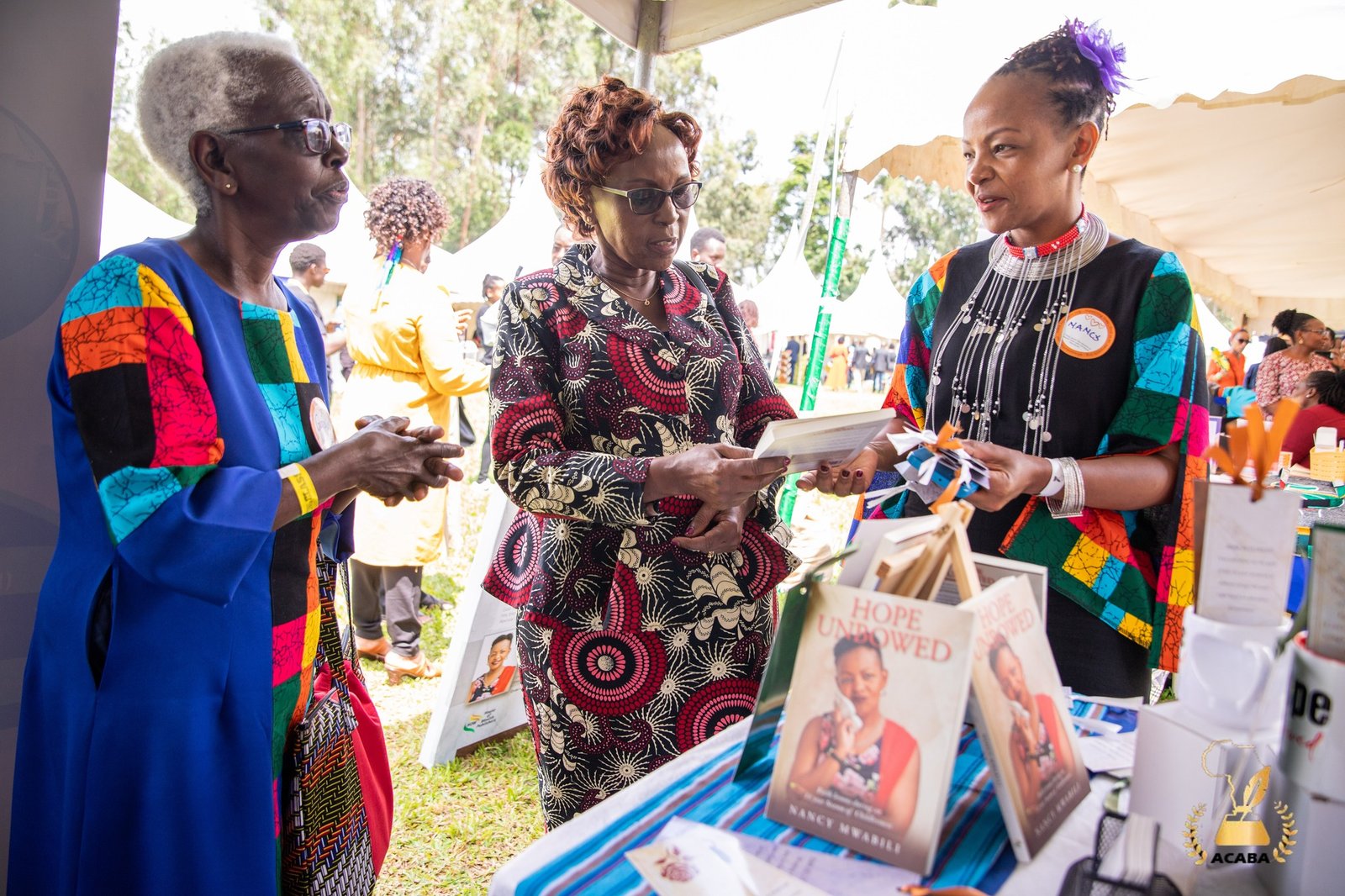
For Nancy, this was not just an award moment. It mirrored the emotions she describes in Hope Unknowed when she first held her daughter after more than a decade of waiting. “It was the same surreal feeling, like I was living through a dream, needing to pinch myself to be sure it was real.”
And truly, Scripture says it best: “When the Lord restored the fortunes of Zion, we were like those who dreamed. Then our mouth was filled with laughter, and our tongue with singing” (Psalm 126:1–2 NIV).
But what touched me even more was what she said next. Publishing this deeply personal story had already made her feel “like my life was one open book; like I was walking around with my heart laid bare – vulnerable, yet profoundly purposeful.” That is powerful. Because sometimes the books that bless people most are the ones that cost the author something.
Nancy says she is naturally “someone who is uncomfortable with attention,” and yet this recognition deepened her sense of responsibility. “I felt the weight of a calling to steward this testimony well, to raise the standard in ministry, and to step forward more boldly as a vessel of hope.”
That is more than winning. That is surrender.
“The burden is real,” she says, “and so is my trust in God,” resting in the assurance of Philippians 1:6, that “He who began a good work… will carry it on to completion until the day of Christ Jesus.”
Some award moments are about applause.
Some are about assignment.
This one, I believe, was both.